
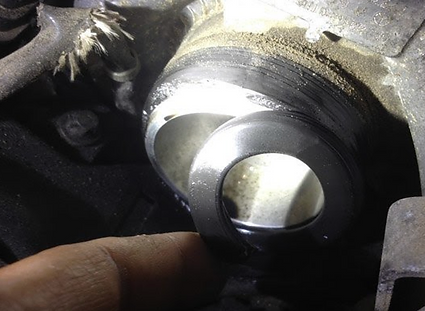
Sprinter Turbocharger & Intake Checks
An intake leak or loose connection can cause symptoms that resemble a turbocharger problem. Inspect the system before deciding on a replacement.
View guideOil residue near a turbo or intake connection needs its source identified before a seal or other component is replaced.
Hoses, clamps, seals and adjacent components can contribute to leaks. The amount and location of residue, fault codes and operating symptoms help guide the inspection.
Tell us about power loss, warning messages, unusual sounds or visible leaks. A turbo-area leak does not automatically mean the turbocharger itself has failed.
Seal design and access depend on the engine. Ask for the findings and an estimate for the correct O-rings, resonator seals or related parts.
Images retained from this site’s original service content. Vehicle layouts and components vary by year and engine.
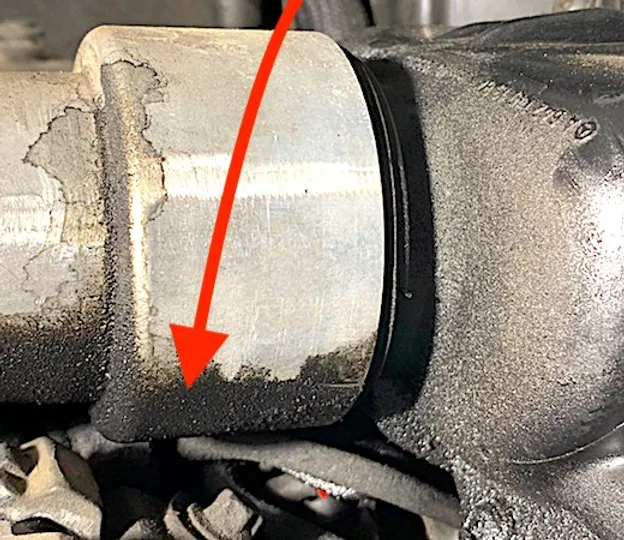
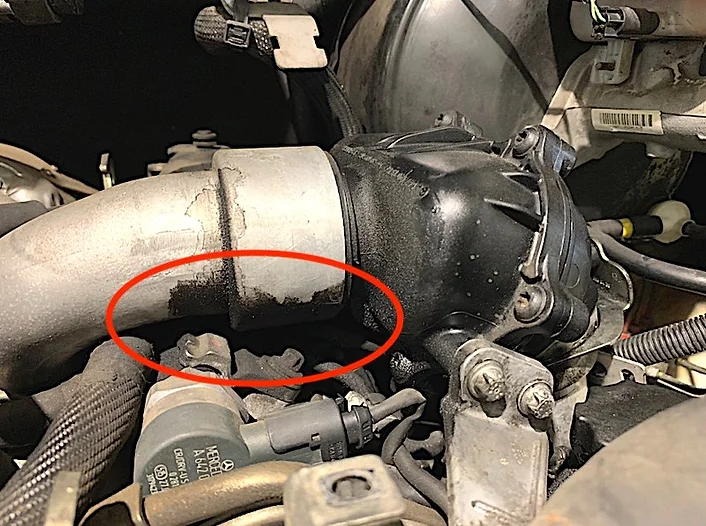
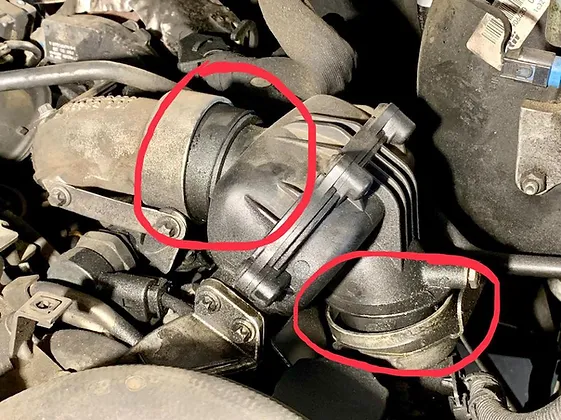
An intake leak or loose connection can cause symptoms that resemble a turbocharger problem. Inspect the system before deciding on a replacement.
View guide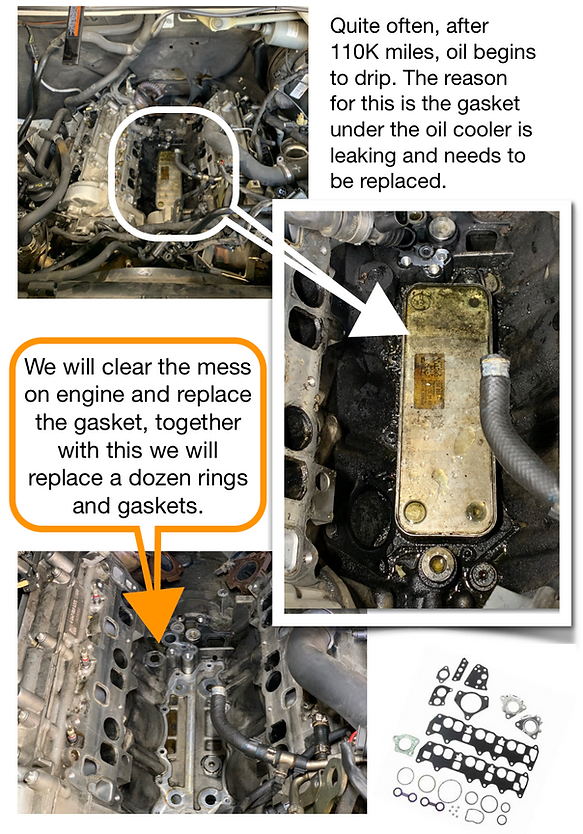
Oil around the engine needs a source check. On relevant engines, oil-cooler seals are one possible cause among several.
View guideReduced power is a symptom that can have several causes. It does not by itself prove a turbocharger failure.
View guideTell us your Sprinter’s year, mileage and symptoms. We’ll discuss the appropriate next step and estimate.